Alcoholics Anonymous is Broken. Here’s the Cure. The Real Reason AA Doesn't Work.
- May 21
- 10 min read

It is true that this endeavor of mine on all the social media usuals has been not only instruction on how to holistically recover from the addiction of alcoholism but a grand bashing of Alcoholics Anonymous. I’m harsh with AA. The reason I am harsh is because not only does their program have a massive failure rate, which the proponents can’t seem to wrap their heads around, but their methods are actually harming the people who enter its doors.
Harming people? Aren’t I being a just wee bit extreme?
Not at all. Alcoholics Anonymous harms people. It harms them physically. It harms them emotionally. It keeps its members from advancing their lives. It steals their lives to sit in the rooms. The methods and philosophy of AA give great risk that those who enter the door will not stay sober. It operates like a cult, not a support group.
When AA was founded in 1935, it was a novel concept. A place for alcoholics to go so they would be inclined, with the support of others, to discontinue their substance abuse. The pressure for men to drink in those days was immense as described by Jack London in his novel, John Barleycorn. London’s addiction took him at a young age. The cause of death was gastrointestinal uremic poisoning, but the real culprit was the toxic friendship during his whole life with Johnny B. In this work, he lamented how he wanted to be free from alcohol but was constantly surrounded by it with unending pressure to consume. Those who know of his life, understand that London wasn’t always a writer. He was a seaman, oyster pirate, and other hard living jobs where men forgot their sorrows with this liquid friendship. And in those times, you weren’t considered a real man unless you did drink excessively. As a matter of fact, refusing to drink with another member of team male could get you punched in the face in that era.
Could the shelter of Alcoholics Anonymous, which was almost two decades from being founded, have saved London from his own self-induced demise? A place where no one was shoving alcohol down his throat when he walked through the door? Maybe or maybe not. But in London’s time, the draft for that refuge hadn’t been drawn yet. And there was no internet to look up, “holistic recovery,” to cure oneself from that or any other affliction. No one did yoga or meditation. Physical fitness wasn’t nearly mainstream, outside of known athletes.
So do I fault Bill and Bob for formulating an idea to help alcoholics rid themselves of John Barleycorn’s influence? Not at all. But the methods should have evolved over time. It was founded almost a hundred years ago. When I began bodybuilding with weights at fourteen, the year was 1982. My parents bought me a weightlifting set with a bench for my birthday and a Gold’s Gym book. One of those exercises showed a professional bodybuilder with a barbell and two forty-five pound plates on his shoulders bending forward and back up to “strengthen the lower back.” An absolute god-awful exercise, which will absolutely hurt your back in the long term. No one does that exercise or many other exercises today that we thought were beneficial long ago to be found later that they are actually harmful to the joints. Because things evolve over time.
And AA should have looked at its massive failure rate and changed its protocol with time as well. But they don’t. They dig in exactly like a cult does and keep insisting it isn’t their program that is at fault but the members who won’t follow that program. They say those who fail weren’t at rock bottom yet, as if that should be where you are at before you pursue giving up the addiction. They utter a lot of excuses instead of taking that reality check that their program, mostly for the vast majority, simply doesn’t work. And I’m not only saying it doesn’t work but is harmful to those who engage in it.

So what should AA do? Am I saying it should close its doors forever? If it won’t alter its methods, yes, it would be better to let people peruse YouTube for non-AA advice. Because there are a minority of former alcoholics who are using social media to give a better philosophy to recovery than the one presented with the Twelve Steps. Alcoholics Anonymous is living in the land of outdated methods—which they continue to show don’t work for most. If AA would adopt a more modern approach, then my mission is done and this blog can go into the archives of internet history. Because I don’t need to be a career social media influencer or megastar. I have been eighty percent retired since I was fifty-four, and now fully so, living in foreign lands, existing in a life of complete holistic health and don’t need a dime from this endeavor. But I am also over seventeen years cured from the addiction of alcoholism. And I didn’t accomplish this by listening to the proponents of AA.
Note I said cured. Not someone who is in continuous recovery, not someone who has a “disease,” not someone “working a program” with lapses back and forth for the rest of his life. Not someone who continues to have cravings and is existing in the past in a circle at nights, rehashing his “story.” Someone who left a toxic life of addiction behind and hasn’t looked back since.
So how could Alcoholics Anonymous change its methods from those that produce failure to ones that have high success rates? Through holistic recovery. Attacking the planes of being one by one in the reinvention of Self. The physical plane, the emotional sphere, the career and progression realm and finally, the spiritual plane. AA not only doesn’t address the re-creation of these planes but its philosophy impedes the recovery of them. I state that not only you recover these planes of being but make them better than before you started drinking. And AA could implement these techniques as well if only they would remove themselves from the cult mindset.
First, lose the nicotine breaks, sugar intake and coffee at every meeting. These are additives that should be used in the beginning phases of recovery. Up to what I call phase two. The first five days is acute alcohol withdrawal. The next phase is to day forty-five. This is when the cravings are the most intense. This phase is where most fail due to these cravings, which are almost continuous. The emotional roller coaster always seems to be about to come off its tracks. Anxiety is off the charts, matched with insomnia, severe depression and a general want to get off the train ride from planet earth altogether.
This is why in a previous article I suggested there be separate meetings for those in each phase to the two-year mark of cure. You could have a mentor speaking in the room, who is further along in recovery, but subacute people should be in their own time slots. Because this is where you might smoke, drink coffee and intake that sugar by the ton. You may need a not so healthy existence just to get through the forty-five-day mark. And that’s fine because it is phase three, from forty-five days to six months clean, that I would say to invoke the holistic return of the planes mentioned above. Until then, you are in survival mode, just checking off the days until these emotional symptoms begin to abate.
But the idea that AA keeps feeding these unhealthy additives to its members in its program after forty-five days of sobriety is nonsense. You will still have cravings in phase three, after forty-five days, but not as severe or continuous—unless you are still using nicotine, sugar and caffeine all of the time at these nightly meetings. Those substances induce cravings. If you follow my plan of just a few cups of coffee a day, very little processed sugar and lose smoking altogether, you will find over time the cravings will become less and less frequent and intense until they are nothing but transient and rare. For the rest of your life.
AA is defeating its own purpose with all of these nightly additives and actually increasing the chances of someone relapsing by bringing about more cravings than already exist. Also, if you are continually in meetings for life, you aren’t exercising. Nothing beats the high of physical fitness that is consistent. And this activity will also reduce the frequency, duration and intensity of cravings that go on and off to the two year mark of cure.
So I want this to absorb into the minds of the AA proponents. You are inducing more cravings than necessary with nicotine, caffeine and sugar at your meetings. You are hurting the chances of your members staying sober. If you don’t believe me, find a medical article on the effects of sugar, excessive caffeine and nicotine on the physiological system. Then tell me why you are still operating with this method?
The second point that AA needs to change in its methodology is the emotional recovery aspect. They don’t have it and actually make one’s mental state worse in its program. First, they tell you that you are always an addict. No, you aren’t. You are not always an addict and forever diseased. You get through two years clean and you can proclaim cure. Telling someone he is always diseased is terrible for rebuilding of self-esteem. It also keeps that person’s mental mindset in the past. AA needs to change that to a recovery plan, which the end goal is cure.
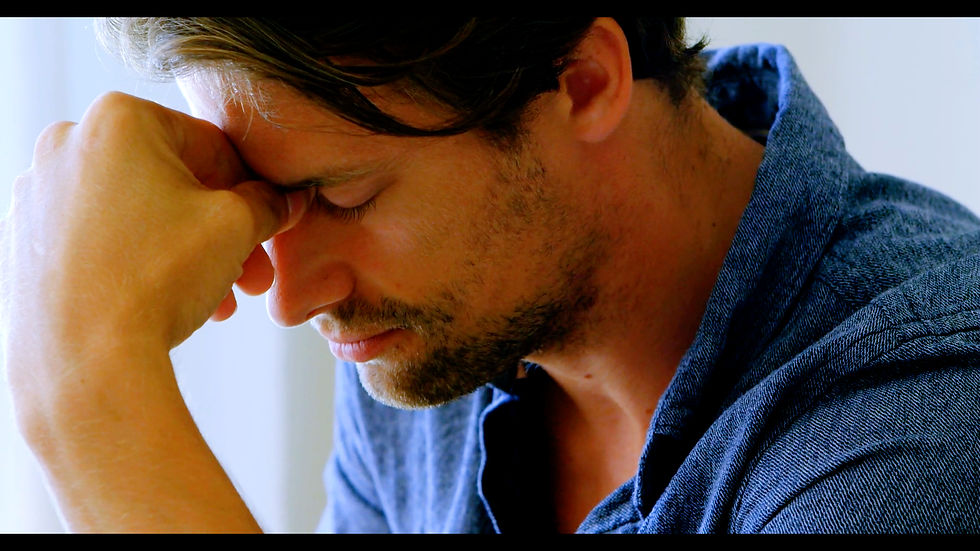
Now, that being said, can one become an addict again once he proclaims cure? Sure, if you pick up that bottle. So you keep the contract you made with yourself. Relapse is not part of recovery, which you hear in AA meetings quite frequently. The day you stop drinking is the last day you touch it—ever. You make the contract and you keep it—no matter what happens in your life. If you lose your job, wife, house and dog, then sit on a street corner with a juice in your hand and plan how you will come back. But you never touch alcohol again. I follow this contract I made seventeen years ago, hence, I remain cured. This is the mindset AA should be promoting. A future life where one reaches cure, not the propagation that you are forever diseased.
The other way AA keeps you in the past is this ridiculous story telling in their circles of how screwed up your life was under the tutelage of John Barleycorn. This activity is something you do in phase two. So you get a clear understanding that first, you were an alcoholic and second, possibly to trace back why you began to drink in the first place. Because usually it goes back to a horrific childhood. AA should have counselors there to rectify this with these recovering alcoholics on their way to cure. If you mentally fix what was wrong, that will give leaps and bounds to not having a need to return to your old painkiller for that past. But AA doesn’t do that. Their members live every meeting in their screwed up addicted days as long as they keep entering the doors of the rooms. AA needs to propagate a return to good mental health with activities like yoga and meditation. They should give the person, who making his way to cure, the tools to achieve tranquil emotional health. Don’t send him home from every meeting with a remembrance of his entirely stupid alcoholic days.
That’s why there should be separate meetings for those in phase two to forty-five days and the other phases. Phase two should be when you investigate with yourself and others why the alcoholism began. Phase three to six months and phase four to two years is the progression to regain emotional health. And when you leave those horrific days of addiction in that past.
AA should, by phase three, now adopt a method for its members for the progression of Self. When people begin to see how to progress the career they have neglected with John Barleycorn. By now the meetings should be less frequent for this group and focused on rebuilding their lives. You could bring in volunteer career counselors. Or the meeting that week focuses on finding a side hustle to advance Self. How is one going to find his place as a small but important member of this functioning universe? AA should be adopting an ideology of progression in life, not living in the former addictive life.
And the spiritual plane of fulfillment will follow. I describe the spiritual plane as the landscape one sees outside of his domain. When one really feels a connection with our earth and universe and knows his place in them. AA doesn’t have this affect on its members because it isn’t rebuilding the other broken planes of being. And that all needs to change, AA.
And finally, Alcoholics Anonymous needs to be a temporary measure. It should be a finite road to cure at the two year mark. In the beginning, the newly sober probably do need to go to meetings every single night as a place of refuge from those unforgiving and continuous cravings. After forty-five days, as one enters phase three, the frequency of attendance should diminish. It diminishes because here is when one begins the physical fitness program, meditative work, healthy diet and the beginnings of career progression or other self-advancement. At six months, the frequency of the rooms diminish even more. At the two year mark of sobriety, one would end his relationship with AA. He announces cure, has a final ceremony in the rooms and then walks away to go on with his life. Coming back to occasionally give a motivational speech to the newer members should be encouraged. Not making the rooms a part of your regular life for life. The purpose of AA shouldn’t be to live in AA forever. It should be a place to give you the tools to progress your now healthy existence, sharpen them over the two-year program and then send you on your way.
This is the program I created for myself. And now I have a holistically healthy life as I follow that program today. Everyone, former alcoholic or not, should follow this program to gain the best version of themselves as possible. But think about this, AA member. What is the better life? A life where one is physically healthy, on a clean diet, where one has a tranquil mind and is advancing his life? Or the existence of an unhealthy life, where you think you are trapped in a disease that may come out of remission anytime, rehashing your former existence through yourself and others in a world of addiction that should have been left in the past? For the second option keeps you in a prison cell.
And Alcoholics Anonymous needs to alter its program so its members have the key to walk out of the cell door.
To journey on a tale of epic transformation on a 2,660 mile trail check out: THE SHEPHERD AND THE RUNNINGWOLF: A PATH TO FORGIVENESS ON THE PACIFIC CREST TRAIL
(Usually free on KDP)
To recreate your life on all planes for the best version of yourself as possible:REINVENTION OF SELF: HOW TO CHANGE YOUR LIFE AND BEING FOREVER
(Usually free on KDP)
For the condensed and orderly version of how I beat the addiction of alcoholism check out: THE SMALL BOOK: HOW I BEAT ALCOHOLISM AND WHY ALCOHOLICS ANONYMOUS DOESN'T WORK
(Usually free on KDP)
John Barleycorn taken from Jack London's book, John Barleycorn. First published 1913


Comments